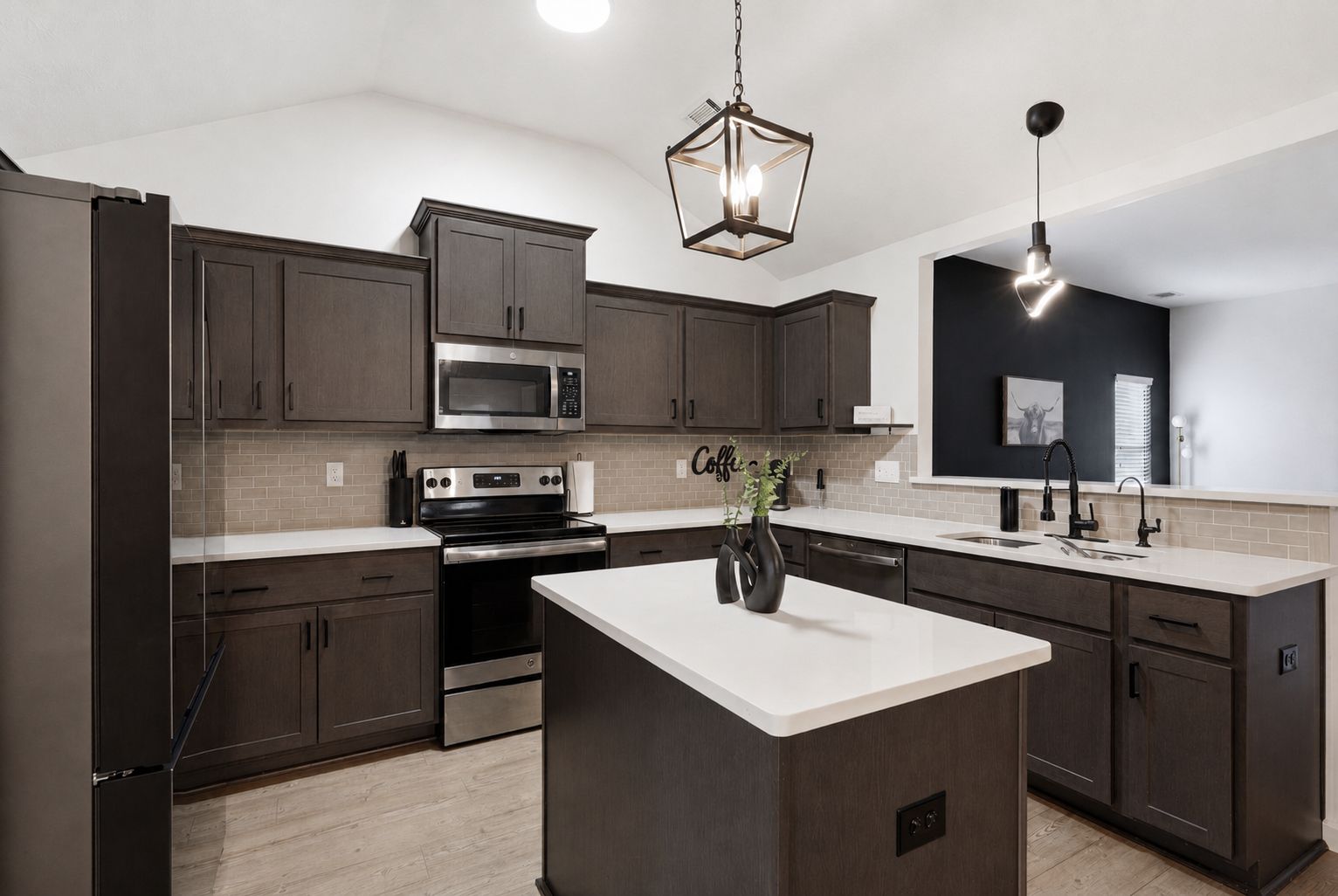
Selling a home is one of those things that sounds simple until you start doing it. You list it, someone buys it, you move. In reality, there are about fifteen decision points between "I'm thinking about selling" and "the check cleared," and getting any of them wrong can cost you real money or real time.
I'm not going to try to cover every possible scenario in one blog post. What I will do is walk you through how the selling process works in the CSRA specifically, where the market sits right now, and the mistakes I've watched sellers in this area make that I wish they hadn't.
Where the CSRA market stands right now
The Augusta area market has been steady. It hasn't seen the wild swings that coastal cities or metro Atlanta experienced. Prices have appreciated at a moderate, sustainable pace. Inventory is still relatively tight, which means well-priced homes in good condition are moving.
That said, "steady" doesn't mean "easy." Overpriced homes sit. Homes that aren't properly prepared sit. The market rewards sellers who do the work up front and penalizes the ones who assume demand will cover their shortcuts.
If you're thinking about selling in the CSRA, that's actually a reasonable position to be in. The fundamentals are solid. But execution still matters.
The pricing conversation is the most important one
Every selling decision flows from the price. Price it right and you attract qualified buyers quickly. Price it too high and you watch it sit on the market while buyers assume something is wrong.
Here's how I approach pricing with my clients:
Start with the data. A comparative market analysis looks at what similar homes in your area have actually sold for recently — not what they were listed for, not what Zillow says, not what your neighbor told you they got. Actual closed sales. That's the foundation.
Adjust for your home's specifics. The comps get you in the range. Your home's condition, updates, lot, and location within the neighborhood move you within that range. Updated kitchen? That helps. Deferred maintenance on the roof? That hurts. An honest assessment of where your home sits relative to recent sales is more valuable than an optimistic guess.
Price for the market, not your mortgage. What you owe on the house is your problem, not the buyer's. I say that bluntly because it matters. The market doesn't care what you paid or what you need to net. It cares about what comparable homes sell for. Pricing based on your financial need rather than market reality is the single most common seller mistake I see.
The first two weeks matter most. A new listing gets the most attention in its first 10-14 days on the market. That's when the most buyers see it, the most showings happen, and the most competitive offers come in. If you miss that window because you priced too high, you're chasing the market downward — and that's a much worse position to be in than pricing right from the start.
Getting your home ready to sell
You don't need to renovate your house to sell it. But you do need to present it well. The difference between a home that photographs well and one that doesn't can be tens of thousands of dollars.
Here's where your time and money are best spent:
Declutter aggressively. Buyers need to see themselves in your home. That's hard to do when every surface is covered with your stuff. Box up personal photos, clear countertops, thin out closets. Less is always more when selling.
Deep clean everything. Floors, baseboards, windows, grout, appliances. A clean home signals that the house has been maintained. A dirty one raises questions about what else has been neglected.
Handle the obvious repairs. Leaky faucets, cracked tiles, loose doorknobs, burned-out light bulbs. None of these are expensive to fix, but all of them make a buyer wonder what bigger problems are hiding.
Curb appeal matters more than you think. The first thing a buyer sees is the front of the house. Mow the lawn, pressure wash the driveway, clean the front door, put out a few plants. You're not landscaping for a magazine — you're making a first impression.
Paint if it needs it. Fresh, neutral paint is the highest-ROI improvement you can make before selling. It makes rooms feel bigger, cleaner, and more modern. If your walls are scuffed, dated, or painted in bold personal colors, a few gallons of a warm neutral will pay for themselves many times over.
Skip the big renovations. Unless your agent specifically recommends it based on comps, don't gut the kitchen or redo the bathrooms before selling. Major renovations rarely return their full cost at resale, and they delay your listing timeline.
What good marketing looks like
This is where agent quality really shows. Marketing isn't just putting the home on the MLS and waiting. Good marketing gets more eyes on your listing and creates competition among buyers.
What you should expect from your agent:
Professional photography. Not iPhone photos. Not even a nice camera in amateur hands. Professional real estate photographers know how to light rooms, choose angles, and make a home look its best while still being accurate. This is non-negotiable.
A compelling listing description. Not just square footage and bedroom count. A well-written description tells a story about the home and highlights the features that matter to the likely buyer. A home near Fort Gordon should mention the commute. A home in an Evans school zone should mention the schools.
Online syndication. Your listing should appear on every major platform — Zillow, Realtor.com, Redfin, and more. Your agent's MLS entry handles most of this automatically, but verify that it's showing up where buyers are looking.
Social media exposure. A well-marketed listing gets shared on the agent's social channels, potentially reaching local buyers who aren't actively searching the MLS every day.
Showing availability. The more accessible your home is for showings, the faster it sells. Restrict showing times too much and you'll lose buyers who can't make it work. It's inconvenient, but the inconvenience is temporary.
Navigating offers and negotiations
When offers come in, the sticker price is just the start. Here's what else you're evaluating:
Financing type. Cash offers close fastest and with the fewest contingencies. Conventional loans are straightforward. FHA and VA loans have additional requirements (appraisals with stricter standards, for example) but represent a huge portion of the CSRA buyer pool — especially VA buyers near Fort Gordon. Don't dismiss a VA offer just because someone told you they're harder. They close every day.
Contingencies. Inspection contingency, appraisal contingency, financing contingency, sale-of-home contingency. Each one is a potential exit point for the buyer. Fewer contingencies generally means a stronger offer, but you need to weigh them against the overall terms.
Closing timeline. Does the buyer's timeline match yours? If you need 60 days and they want to close in 30, that's a negotiation point. Flexibility on timeline is a real concession worth considering.
Earnest money. The amount of earnest money a buyer puts up signals how serious they are. It's not a deal-breaker, but a larger earnest money deposit shows commitment.
Buyer agent compensation. Under the new rules, this is part of the negotiation. The buyer's offer may include a request for you to cover their agent's fee. It's negotiable, and your agent should advise you on what makes sense for your situation.
After the contract: what to expect
Once you've accepted an offer, the transaction isn't done — it's entering its most detailed phase.
Inspection. The buyer will have the home inspected. The inspector will find things. Some will be real issues, some will be minor. Your agent will help you evaluate what's reasonable to repair, what to offer credit for, and what to push back on.
Appraisal. The buyer's lender will order an appraisal to confirm the home's value supports the loan amount. If the appraisal comes in low, you'll need to negotiate — either the buyer makes up the difference, you reduce the price, or you meet in the middle.
Closing preparation. Title work, document signing, utility transfers, move-out scheduling. Your agent and the closing attorney should guide you through every step. There shouldn't be surprises at this stage if everyone has done their job.
The mistakes that cost CSRA sellers the most
A few patterns I've seen enough times to feel strongly about:
Overpricing and then chasing the market. The most expensive mistake a seller can make. You list high, the home sits, you reduce, it sits more, buyers assume there's a problem. Three months later you sell for less than you would have if you'd priced it right from day one.
Skipping the prep work. A home that's not clean, decluttered, and photographed well is leaving money on the table. Buyers make emotional decisions, and first impressions are hard to undo.
Being inflexible on showings. Every missed showing is a missed potential buyer. The inconvenience of keeping your home show-ready is real, but it's temporary, and it directly impacts your outcome.
Taking lowball offers personally. An offer below your asking price isn't an insult. It's a starting point. The buyer who offers low might be the buyer who closes at a fair price after negotiation. Emotional reactions kill deals.
Hiding known issues. Georgia law requires sellers to disclose known material defects. Beyond the legal requirement, hidden problems almost always surface during inspection. Disclose upfront, price accordingly, and avoid the trust problem that comes with a buyer discovering something you tried to hide.
Is now a good time to sell in the CSRA?
The honest answer: it depends on your situation more than the market.
The market fundamentals in the Augusta area are favorable for sellers right now. Inventory is manageable, demand is steady, and prices have held up well. But "the market is good" doesn't mean selling is right for you personally.
If you're curious about what your home might be worth in today's market, I'm happy to run a free comparative market analysis. No obligation, no pressure to list. Just real numbers so you can make an informed decision.
Send me a message and tell me a little about your property. I'll get back to you with an honest assessment.